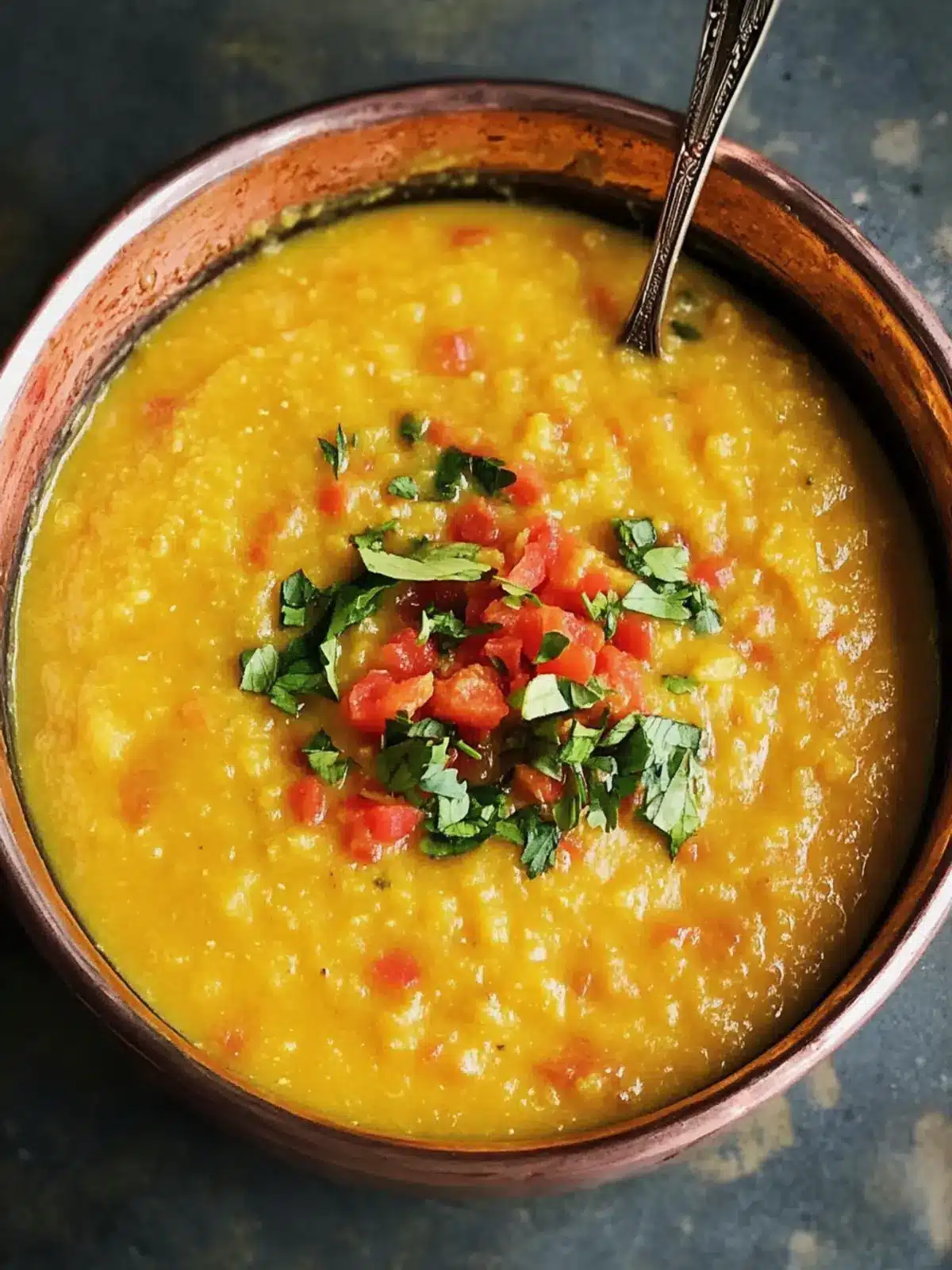
Quick & Healthy: Master Everyday Dal in Minutes
Dal, the humble yet mighty lentil dish, is a staple in millions of households worldwide, particularly across the Indian subcontinent. It’s revered not just for its comforting taste but also for its incredible nutritional profile and unparalleled versatility. In a world where time is a precious commodity, discovering how to make simple dal to make everyday can be a game-changer for your health and your dinner routine. Forget complicated recipes and long cooking times; this guide will empower you to create delicious, nutritious dal in minutes, making it an indispensable part of your daily diet.Why Dal is Your Everyday Healthy Hero
When we talk about a simple dal to make everyday, we're not just discussing a quick meal; we're talking about a powerhouse of nutrition that effortlessly fits into a busy lifestyle. Lentils, the primary ingredient in dal, are a remarkable source of plant-based protein, making them an excellent choice for vegetarians and anyone looking to reduce meat consumption. But their benefits extend far beyond protein:- High in Fiber: Lentils are packed with dietary fiber, which is crucial for digestive health, helps regulate blood sugar levels, and contributes to a feeling of fullness, aiding in weight management.
- Rich in Essential Nutrients: They provide significant amounts of iron (vital for energy), folate (important for cell growth), magnesium, potassium, and various B vitamins.
- Affordable and Accessible: Lentils are one of the most budget-friendly protein sources available, making healthy eating accessible to everyone.
- Low Glycemic Index: Their slow-release carbohydrates help maintain stable blood sugar levels, preventing energy crashes.
Incorporating dal into your daily meals can significantly boost your nutrient intake without breaking the bank or requiring extensive cooking skills. It’s no wonder that many consider a perfectly crafted, easy dal recipe your everyday healthy meal solution. For a deeper dive into its nutritional prowess, explore Why Simple Dal is Your Best Bet for Everyday Nutrition.
The ABCs of Simple Dal: Choosing Your Lentils and Basic Ingredients
The secret to a quick and delicious everyday dal lies in selecting the right lentils and having a few basic spices on hand. Different lentils have varying cooking times and textures, so choosing wisely is key to mastering a simple dal to make everyday.Picking Your Lentils:
- Masoor Dal (Red Lentils): These are the quickest cooking lentils, breaking down beautifully into a creamy texture. Perfect for a speedy weeknight meal.
- Moong Dal (Yellow Split Mung Beans): Another fast-cooking variety, moong dal is light, easily digestible, and yields a delicate flavor. It's often recommended for those with sensitive stomachs.
- Toor Dal / Arhar Dal (Split Pigeon Peas): A very common choice, toor dal has a slightly nutty flavor and takes a bit longer than masoor or moong, but still cooks relatively quickly, especially in a pressure cooker.
- Chana Dal (Split Bengal Gram): These have a firmer texture and a richer, more robust flavor. They take longer to cook and often require soaking, making them less ideal for an "in minutes" dal unless pre-soaked or pressure-cooked.
For a truly quick everyday dal, stick to Masoor or Moong dal. Toor dal is also a great option if you have a pressure cooker.
Essential Ingredients for Flavor:
Beyond the lentils, a few key aromatics and spices transform plain boiled lentils into a vibrant, flavorful dish:
- Aromatics: Onion, garlic, and ginger form the aromatic base for most Indian cooking.
- Green Chilies: For a touch of heat, adjust to your preference.
- Tomatoes: Add a lovely tang and body to the dal.
- Basic Spices:
- Turmeric Powder: Essential for its color, earthy flavor, and anti-inflammatory properties.
- Cumin Seeds/Powder: Adds warmth and depth.
- Asafoetida (Hing): A pungent spice that aids digestion and adds a unique flavor, especially with lentils.
- Mustard Seeds: Often used in tempering (tadka) for a pungent pop.
- Fresh Herbs: Cilantro (coriander leaves) for garnish and fresh flavor.
- Fat: Ghee (clarified butter) or cooking oil (vegetable, sunflower, or avocado oil).
- Salt: To taste.
Mastering the Quick Dal: Step-by-Step for Everyday Meals
The key to a lightning-fast dal is often the method of cooking. While a regular pot on the stovetop works, a pressure cooker is your best friend for a truly rapid simple dal to make everyday.Method 1: The Pressure Cooker (Fastest & Easiest)
This is the go-to method for busy weeknights.
- Rinse Lentils: Wash 1 cup of your chosen dal (e.g., Masoor or Moong) thoroughly under cold running water until the water runs clear. Soaking isn't strictly necessary for these quicker dals, but a 15-20 minute soak can further reduce cooking time and aid digestion.
- Combine & Cook: In your pressure cooker, combine the rinsed dal with 3-4 cups of water (adjust for desired consistency – more water for thinner dal), ½ teaspoon turmeric powder, and a pinch of salt.
- Pressure Cook: Close the lid and cook on high pressure for 2-3 whistles (for Masoor/Moong) or 4-5 whistles (for Toor). Let the pressure release naturally or quick-release if you're in a hurry.
- Prepare Tadka (Tempering): While the dal is cooking, prepare the tadka. In a small pan, heat 1 tablespoon of ghee or oil. Add ½ teaspoon mustard seeds and ½ teaspoon cumin seeds. Once they splutter, add a pinch of asafoetida, 1-2 chopped green chilies, 1 inch grated ginger, and 2-3 cloves minced garlic. Sauté until fragrant. If using, add ½ chopped onion and cook until translucent, then add ½ chopped tomato and cook until soft.
- Finish: Open the pressure cooker (after pressure release), mash the dal lightly if you prefer a smoother consistency. Pour the prepared tadka into the dal, stir well, and garnish with fresh cilantro.
And there you have it! A delicious, wholesome dal ready in under 20 minutes (including prep). For more specific instructions, check out this Easy Dal Recipe: Your Everyday Healthy Meal Solution.
Method 2: Stovetop Pot (Still Simple, Slightly Longer)
If you don't have a pressure cooker, a regular pot works just fine, though it takes a little longer.
- Rinse & Soak: Rinse 1 cup of dal. Soaking for at least 30 minutes (or even an hour) is highly recommended for stovetop cooking, especially for Toor or Moong dal, as it significantly reduces cooking time.
- Boil Lentils: In a medium pot, combine the soaked dal with 4-5 cups of water and ½ teaspoon turmeric powder. Bring to a boil, then reduce heat to low, cover, and simmer.
- Skim & Simmer: Skim off any foam that rises to the surface. Continue simmering, stirring occasionally, until the lentils are tender and easily mashable (30-45 minutes depending on the dal and soak time). Add more hot water if the dal becomes too thick.
- Prepare & Add Tadka: While the dal simmers, prepare the tadka as described in step 4 of the pressure cooker method. Once the dal is cooked to your desired consistency, stir in salt to taste and then pour the tadka into the pot.
- Garnish: Stir well and garnish with fresh cilantro.
Elevate Your Everyday Dal: Flavor Boosters & Variations
Once you’ve mastered the basic simple dal to make everyday, you can easily experiment with flavor variations to keep things exciting. A quick tempering (tadka) is often the secret weapon to elevate your dal.The Art of Tadka (Tempering):
Tadka is not just about frying spices; it's about blooming them in hot oil or ghee to release their full aroma and flavor. It’s typically added at the end, providing a final burst of deliciousness. Common tadka ingredients include:
- Basic: Cumin seeds, mustard seeds, asafoetida.
- Aromatic: Curry leaves, dried red chilies, minced garlic, ginger.
- Fresh: Chopped onions, tomatoes, green chilies.
Don't be afraid to mix and match! A simple garlic-cumin tadka is fantastic, while a more elaborate one with onions, tomatoes, and curry leaves creates a richer dal.
Quick Flavor Variations:
- Garlic Dal: Increase the amount of garlic in your tadka for a pungent, robust flavor.
- Tomato Dal: Add extra chopped tomatoes to the initial cooking stage or the tadka for a tangier dal. A squeeze of fresh lemon juice at the end brightens it up even more.
- Spinach Dal (Palak Dal): Stir in a handful of fresh spinach leaves during the last 5 minutes of cooking. The spinach will wilt quickly, adding nutrition and a lovely color.
- Coconut Dal: For a creamier, richer dal, especially with red lentils, add 1/4 to 1/2 cup of full-fat coconut milk at the very end of cooking.
- Smoky Dal: For a unique smoky flavor (dhungar), place a small, heat-proof bowl in the dal, place a hot piece of charcoal in it, drizzle a teaspoon of ghee over the charcoal, and immediately cover the dal pot for a few minutes.
Beyond the Bowl: Serving Suggestions and Meal Prep Tips
A simple dal to make everyday is incredibly versatile and pairs well with a variety of accompaniments.Serving Suggestions:
- Rice: The classic pairing! Steamed white or brown rice perfectly complements the dal.
- Roti/Chapati/Naan: Indian flatbreads are excellent for scooping up the dal.
- Quinoa or Millets: For a healthier, gluten-free alternative to rice.
- Side Salad: A fresh cucumber and onion salad adds crunch and freshness.
- Yogurt/Raita: A dollop of plain yogurt or a simple raita (yogurt with grated cucumber and spices) provides a cooling contrast.
- Pickle & Papads: A small side of Indian pickle and crispy papads elevates the meal.
Meal Prep & Storage Tips:
- Cook in Bulk: Dal is an excellent candidate for meal prepping. Cook a larger batch on the weekend and divide it into individual portions.
- Refrigeration: Cooked dal stores well in an airtight container in the refrigerator for 3-4 days.
- Freezing: Dal freezes beautifully! Portioned dal can be frozen for up to 3 months. Thaw overnight in the fridge or gently reheat from frozen on the stovetop or microwave, adding a splash of water to adjust consistency.
- Adjust Consistency: Dal tends to thicken as it cools. When reheating, add a little hot water and stir until you reach your desired consistency.
Mastering a simple dal to make everyday is not just about learning a recipe; it's about embracing a lifestyle of healthy, delicious, and convenient eating. With its incredible nutritional benefits, ease of preparation, and endless customization options, dal truly is a cornerstone of wholesome home cooking. It proves that healthy meals don't have to be complicated or time-consuming, making it the perfect addition to your daily routine.
