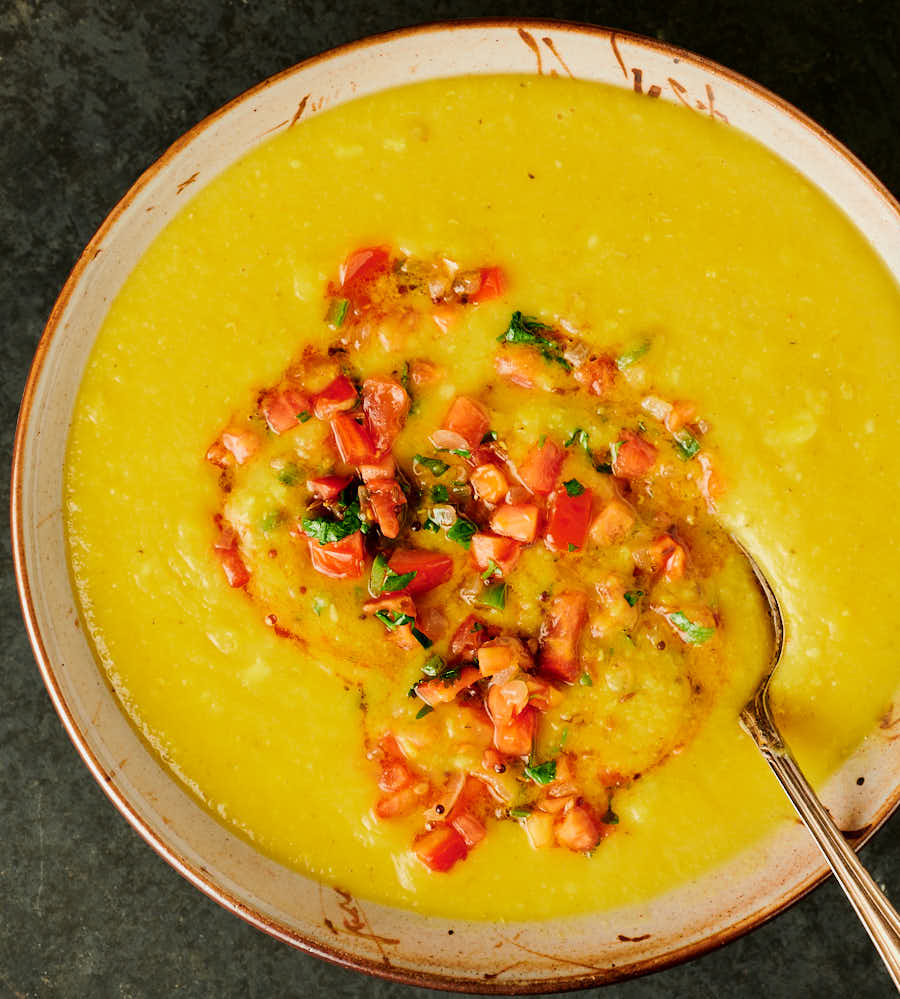
Why Simple Dal is Your Best Bet for Everyday Nutrition
In the bustling rhythm of modern life, finding meals that are both nourishing and easy to prepare can feel like an insurmountable challenge. Yet, there’s a timeless, humble dish that consistently rises to the occasion: dal. Far from being just a side dish, a simple dal to make everyday can be the cornerstone of a healthy, balanced diet. It's a staple across South Asia, cherished for its comforting taste, incredible versatility, and, most importantly, its powerhouse of nutrients packed into every spoonful. If you're looking to simplify your meal planning without sacrificing health, it's time to rediscover the profound benefits of incorporating dal into your daily routine.
The Nutritional Powerhouse Hiding in Plain Sight
At its core, dal is simply dried, split pulses (lentils, peas, or beans) cooked into a thick stew. But don't let its humble appearance fool you; dal is a nutritional marvel. It’s an exceptional source of plant-based protein, making it indispensable for vegetarians, vegans, and anyone looking to reduce their meat consumption. When paired with rice or whole wheat roti, it forms a complete protein, providing all nine essential amino acids necessary for muscle repair, growth, and overall bodily functions. This alone makes a strong case for why a simple dal to make everyday should be on your menu.
Beyond protein, dal is brimming with dietary fiber, which is crucial for digestive health. This fiber content helps regulate blood sugar levels, promotes satiety (keeping you full longer and aiding in weight management), and supports a healthy gut microbiome. Furthermore, lentils and pulses are rich in an array of essential vitamins and minerals, including:
- Folate (Vitamin B9): Essential for cell growth and function, particularly important during pregnancy.
- Iron: Vital for oxygen transport in the blood and preventing anemia.
- Magnesium: Supports muscle and nerve function, blood sugar control, and blood pressure regulation.
- Potassium: Key for maintaining fluid balance and healthy blood pressure.
- B Vitamins (Thiamine, Niacin, B6): Play crucial roles in energy metabolism and brain function.
- Zinc: Important for immune function and wound healing.
With such a dense nutrient profile, a bowl of dal delivers more sustained energy and a wider range of micronutrients than many more complex and time-consuming dishes. It’s truly a testament to nature's simplicity providing maximum benefit.
Simplicity Meets Versatility: The Everyday Dal Advantage
One of the most compelling arguments for making dal a daily habit is its sheer simplicity and incredible versatility. Unlike intricate recipes that demand a long list of ingredients and complex cooking techniques, most dal preparations are straightforward and forgiving. Many varieties, like split red lentils (masoor dal) or split yellow lentils (moong dal), cook relatively quickly, often without the need for prior soaking, especially when using a pressure cooker. This makes a simple dal to make everyday an ideal choice for busy weeknights.
The basic process usually involves washing the dal, boiling it until tender, and then finishing it with a tarka – a tempering of spices (like cumin, mustard seeds, turmeric, ginger, garlic, and chilies) fried in ghee or oil. This final step infuses the dal with incredible depth of flavor and aroma. The beauty lies in its adaptability:
- Cost-Effective: Lentils and pulses are among the most affordable protein sources available, making dal an excellent choice for budget-conscious healthy eating.
- Customizable: While a basic dal is delicious, you can easily adapt it by adding vegetables (spinach, tomatoes, carrots), different spices, or a squeeze of lemon juice for brightness. This prevents meal fatigue and allows for endless variations, ensuring your simple dal to make everyday never gets boring.
- Dietary Friendly: Naturally gluten-free (ensure no cross-contamination), vegan (when cooked with oil instead of ghee), and vegetarian, dal effortlessly fits into almost any dietary preference or restriction.
- Batch Cooking Dream: Dal is perfect for batch cooking. Prepare a large pot on the weekend, and you'll have healthy, ready-to-eat meals for several days, saving precious time during the week.
The ease of preparation combined with its adaptability makes dal a genuinely practical and sustainable solution for nourishing yourself and your family daily.
Beyond the Basics: Health Benefits of a Daily Dal Habit
Regular consumption of dal contributes significantly to long-term health and well-being. Its unique nutritional profile offers several specific health advantages:
- Weight Management: The high fiber and protein content in dal promote satiety, helping you feel fuller for longer and reducing the likelihood of overeating. This can be a significant aid in weight management and preventing unhealthy snacking.
- Heart Health: Dal is naturally low in fat, cholesterol-free, and contains soluble fiber which can help lower LDL ("bad") cholesterol levels. Its potassium content also supports healthy blood pressure, making it a heart-friendly food choice.
- Blood Sugar Control: With its low glycemic index and rich fiber content, dal helps prevent rapid spikes in blood sugar after meals. This is particularly beneficial for individuals managing diabetes or those aiming to maintain stable energy levels throughout the day.
- Digestive Health: The insoluble fiber in dal acts as a natural bulking agent, preventing constipation and promoting regular bowel movements. Soluble fiber, on the other hand, feeds beneficial gut bacteria, contributing to a robust and healthy digestive system.
- Immune System Support: The abundance of vitamins and minerals like iron, zinc, and B vitamins in dal plays a crucial role in supporting a strong immune system, helping your body ward off illnesses.
By making a simple dal to make everyday a cornerstone of your diet, you're not just eating a meal; you're investing in your long-term health.
Mastering Your Simple Dal Routine: Tips for Everyday Success
Ready to embrace dal as your go-to everyday meal? Here are some practical tips to help you master your dal routine and make it as enjoyable and effortless as possible:
- Choose Your Dal Wisely: Start with easy-to-cook varieties. Split red lentils (masoor dal) cook the fastest. Yellow moong dal is also quick and gentle on the stomach. For a foundational guide, check out our Easy Dal Recipe: Your Everyday Healthy Meal Solution.
- The Pressure Cooker is Your Friend: If you own one, a pressure cooker can significantly reduce cooking time, turning dried lentils into perfectly cooked dal in minutes.
- Embrace the Tarka: Don't skip the tempering! It's where much of the flavor comes from. Experiment with different spices like cumin seeds, mustard seeds, curry leaves, ginger, garlic, green chilies, and a pinch of asafoetida.
- Batch Cook for Convenience: Cook a larger batch of plain boiled dal and store it in the refrigerator. Each day, take a portion and prepare a fresh tarka to infuse it with flavor and enjoy a fresh meal quickly. And if you're looking to cut down on cooking time without sacrificing flavor, discover how to Quick & Healthy: Master Everyday Dal in Minutes.
- Pairing Perfection: While delicious on its own, dal is traditionally served with steamed rice, roti, naan, or quinoa. Add a side of fresh salad or steamed vegetables for a truly complete and balanced meal.
- Flavor Boosters: A squeeze of fresh lemon or lime juice at the end brightens the flavor considerably. Fresh cilantro (coriander) leaves also add a wonderful aromatic finish.
Embracing a simple dal to make everyday is more than just adopting a new recipe; it's a lifestyle choice that prioritizes health, convenience, and delicious, wholesome nutrition. From its rich protein and fiber content to its versatility and ease of preparation, dal stands out as an unparalleled option for anyone seeking a truly nourishing everyday meal. Make it a staple in your kitchen, and experience the transformative power of this humble legume.
